Which caption styles work on talking-head videos?
We analysed 13,046 recent talking-head videos from 1,132 creators on TikTok and Instagram to find out which caption choices actually change views, saves, shares and breakouts, and which are just habit.
Put words on screen. Captions plus a headline got 12% more saves, comparing creators only with themselves.
Look like your niche. A caption setup that's rare in the creator's niche got 13% fewer views than their own videos with a usual setup.
Have text up from the first frame. It went with +14% views; text that arrived even half a second later went with -12%.
Let captions appear whole. Words typed on one by one went with 18% fewer views and 11% fewer shares.
Any one look on its own: font, ALL CAPS, colours, word highlighting, one word or three. None changed views, likes, comments, shares, saves or breakouts once creators are compared with themselves.
What the headline promises and how you open moved views, shares and saves far more than any caption look. The hooks study →
The short version
Words on screen get saved more
When the same creator put captions and a headline on a video, it got 12% more saves per view (range +7% to +18%) than their videos without. Their videos with no text got 12% fewer saves. This held after accounting for the type of video, and the creator's previous post showed no such pattern.
No single caption look wins
Font, letter case, colours, highlighting the spoken word, one word or three at a time: none changed views, likes, comments, shares, saves or breakouts when creators are compared with themselves. The comparisons were precise enough to rule out effects bigger than about 15% on likes, shares and saves, about 17% on comments, and about 25% on views.
But looking out of place in your niche costs views
Every niche has its usual caption setups. When a creator used one that fewer than 5% of their niche uses, that video got 13% fewer views (range -21% to -5%) than their own videos with a usual setup. The creator's previous post showed no such dip, and it held on TikTok alone, without typed-on captions, and with any one niche left out. The out-of-place setups were mostly ordinary styles that just aren't used in that niche.
The first frame needs words
83% of creators already have text up from the very first frame. When the same creator did, the video got +14% views; when text came in even half a second later, -12%.
Don't type captions on word by word
Typed-on captions went with 18% fewer views and 11% fewer shares per view for the same creator; captions that simply appear went with 20% more views. Strong evidence, but short of proof after correcting for many tests.
Big differences between creators mostly weren't the captions
At first one-word captions looked like +46% saves. Comparing like with like, it shrank to +12%, and to +4% within the same creator: the kind of creator and video using it, not the caption.
No caption style is a shortcut to going viral
No style made a video measurably more likely to break out (reach at least 3x the creator's usual views).
76% of creators put a hook headline on screen
The single most common setup (23% of creators) is a short headline with no captions. Only 8% use no text. Most captioners (78%) don't highlight the spoken word.
One word at a time is rising; typed-on captions are falling
Compared with posts from 6–12 months earlier, one-word captions rose 6.9 points (now 20% of captioning creators) and words typed on one by one fell 7.5 points (now 10%).
Most big differences weren't the captions
Creators who use a style also tend to make a certain kind of video, for a certain kind of audience. So we checked every result three ways, each fairer than the last, using 11,525 videos from 1,026 creators labelled for what each video is.
- All creators. The first, raw comparison between videos with the style and without it.
- Same type of video. Teaching against teaching, story against story, with the hook, setting and production held equal too.
- Same creator. Each creator's videos with the style against their own videos without it. Their audience, niche and skill cancel out.
Then one more check: does the "effect" also show up on the creator's previous post? A caption can't change a video made before it, so if it does, the cause is timing or circumstance.
Captions plus a headline → saves
Holds upWords on screen get saved more, even comparing a creator only with their own videos. Previous post: +1% (flat).
No text on screen → saves
Holds upThe flip side: the same creators' videos with no words on screen get saved less. Previous post: +1% (flat).
Typed-on captions → views
Probably realWords typing on one by one went with fewer views for the same creator. Previous post: -8% (flat).
Typed-on captions → shares
Probably realAnd fewer shares per view. Previous post: -4% (flat).
Captions that appear whole → views
Probably realThe mirror image: plain captions that simply appear did better on views. Previous post: +6% (flat).
Headline only, no captions → views
Probably realA small edge on views for headline-only videos. Previous post: +3% (flat).
One word at a time → saves
Not captionsLooked like a big boost to saves; it was the kind of creator and video using it. Previous post: +7% (flat).
Box behind the spoken word → comments
Not captionsLooked like a big boost to comments; gone once creators are compared with themselves. Previous post: +3% (flat).
Plain (unboxed) headline → likes
Timing, not captionsThe extra likes show up on the creator's previous post too, so it's timing, not the headline. Previous post: +7% (moves too).
"Holds up" = clear within the same creator after correcting for testing many styles at once, with the previous-post check flat. "Probably real" = clear within the same creator at the usual 95% level but not after that correction. Bars run from −50% to +50%.
Every caption choice, same creator: with it vs without it
Every dot is how a creator's videos with that choice did against their own videos without it. The shaded band is ±10%. Dots near zero with short lines mean the choice made no real difference.
Saves and shares are TikTok only (Instagram doesn't report them). Views are per video; likes, comments, shares and saves are per view. Hover a dot for the exact numbers and how many creators used both options.
Words from the first frame, out of the app's way
Text on screen from the very first frame
+14%views for the same creator (range +5% to +25%). When the text came in even half a second later, -12%. 83% of creators already do it; videos that did were 1.29× as likely to break out.
Where captions sit
- Only 4% of captioners run captions under the like and share buttons, 4% across the face, and 3% put the headline under the top tabs.
- Captions in the top third: -11% shares for the same creator.
- Captions in the bottom strip, where the app shows the username and description: -2% views, no clear penalty.
- Talking fast for the caption style: -8% views. With one-word captions, the typical speaker shows 2.9 words a second.
Measured from on-device text recognition of the first 8 seconds, six frames a second. App zones: the bottom 20% and the right-hand button column on TikTok and Instagram, and the top 9% for the tabs.
The words mattered more than the look
What the headline says, the first sentence you speak and the text under the post moved views, shares and saves far more than any caption style. We measured them on the same videos.
Read the hooks studyBreakout odds for each caption style
Each dot is how much more (right) or less (left) likely a video with that style was to break out, compared with videos without it, after accounting for niche, platform, follower count, post age and video length. The line is the 95% confidence interval. Lines that cross the dashed 1.0 line mean no clear difference.
Green leans more breakouts, red leans fewer, grey shows no clear difference. None of these survives the correction for testing about a hundred styles at once (10% false discovery rate), so even the coloured ones are hints, not proof. Source: Yap & Done caption style study, 1,572 breakout and 2,257 comparison videos.
Every caption style, with real examples
Each style shows real frames from videos in the study. "Used by" is the share of creators using the style in a random sample of their recent videos; "of breakouts" is the share among videos that hit 3x the creator's usual views.
Hook headline, no captions
No clear effectA short headline sits on screen (usually at the top). The speech itself is not captioned.
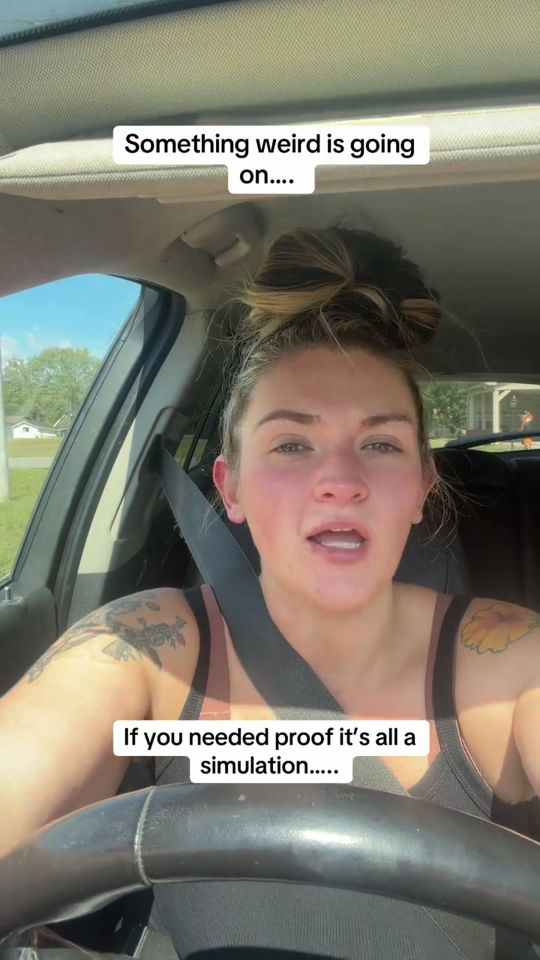
72.3× the creator's usual viewsBreakout
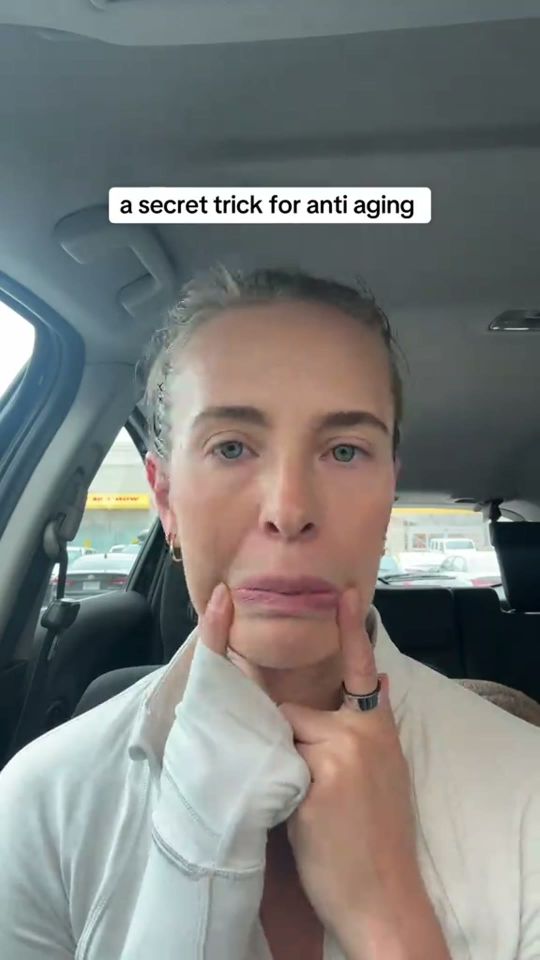
107.3× the creator's usual viewsBreakout
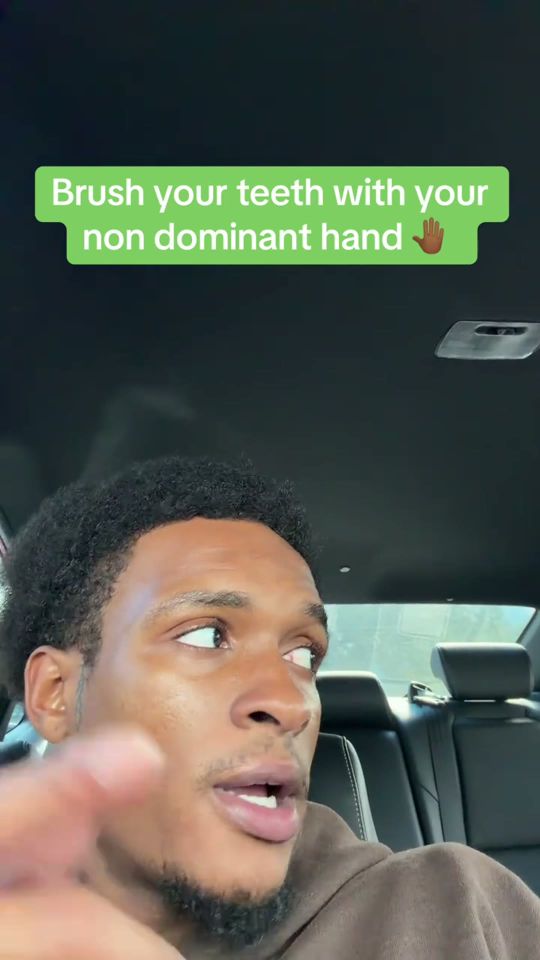
516.7× the creator's usual viewsBreakout
Full-line captions
No clear effectA whole line or sentence of speech at a time, all words the same colour.
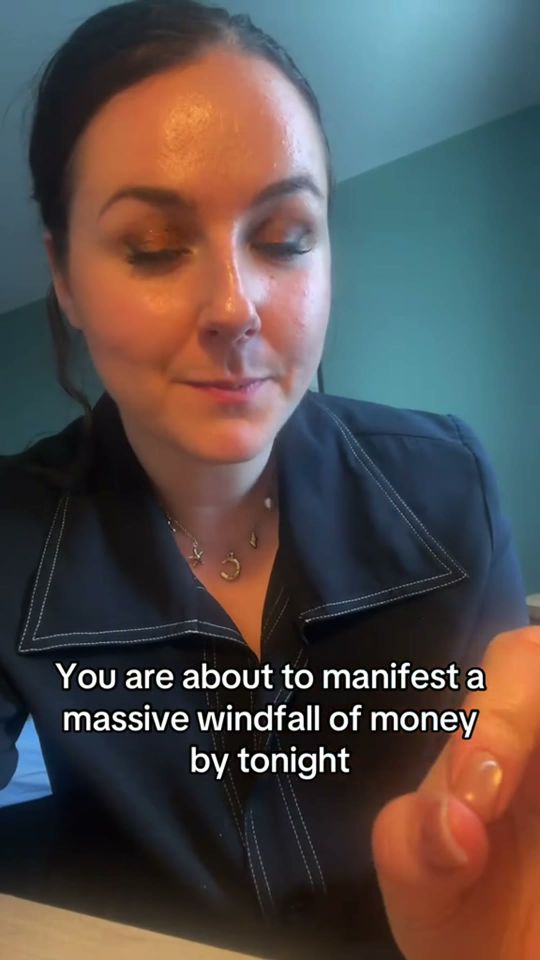
130.4× the creator's usual viewsBreakout
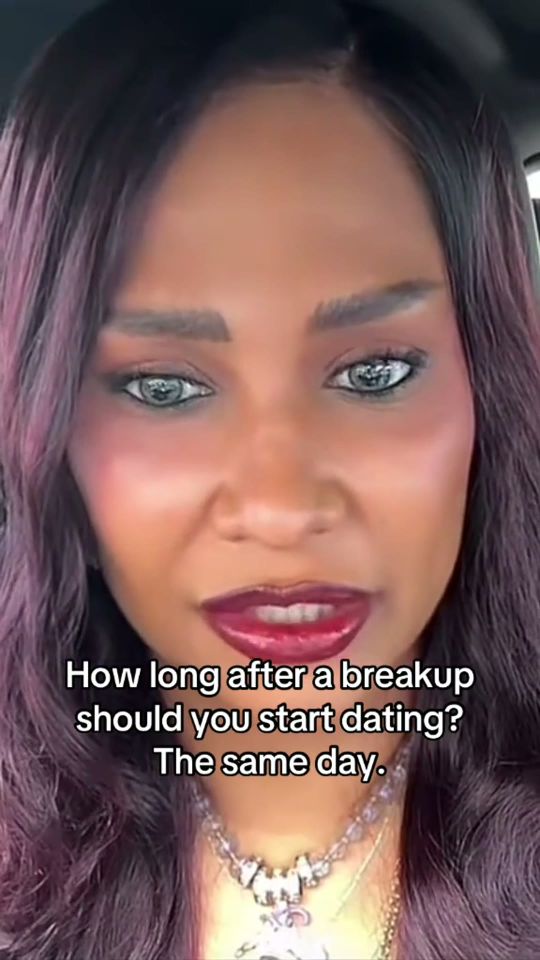
246.3× the creator's usual viewsBreakout
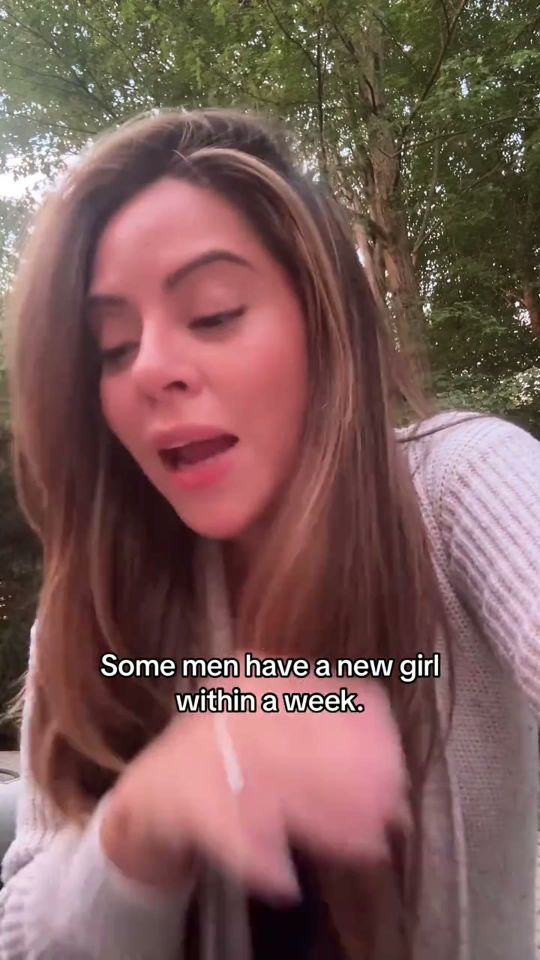
116.4× the creator's usual viewsBreakout
2–3 words, no highlight
No clear effectShort chunks of two or three words, all the same colour.

321.3× the creator's usual viewsBreakout
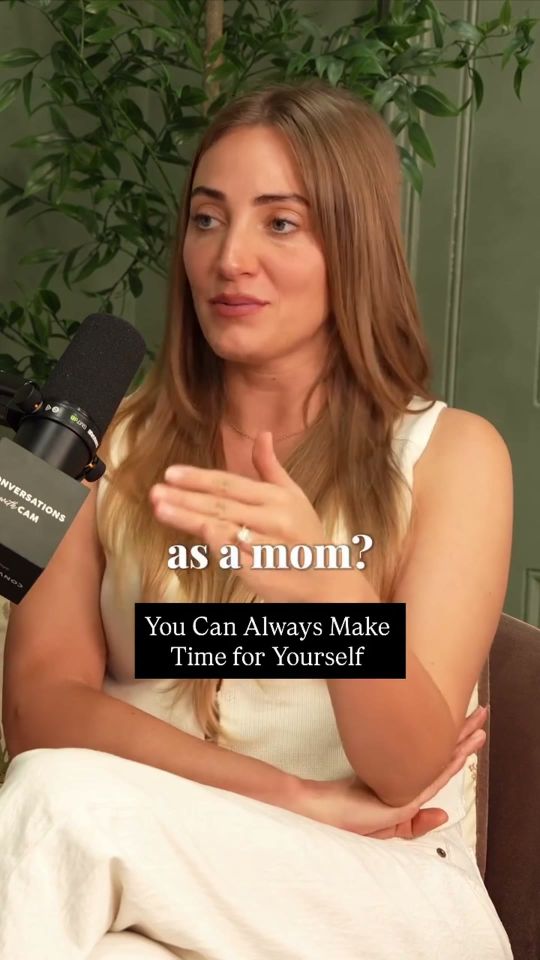
94.5× the creator's usual viewsBreakout
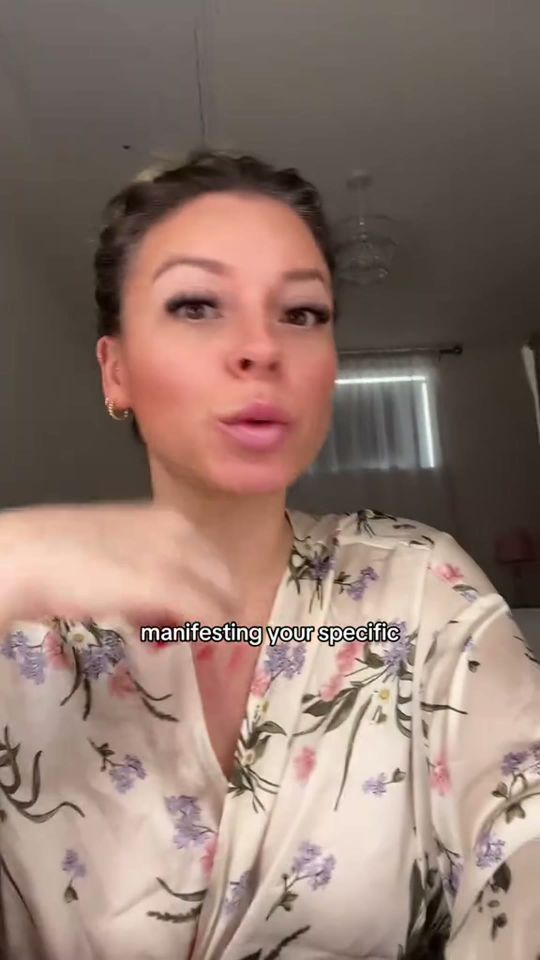
82.6× the creator's usual viewsBreakout
One word at a time
No clear effectEach spoken word flashes up on its own, in normal case.
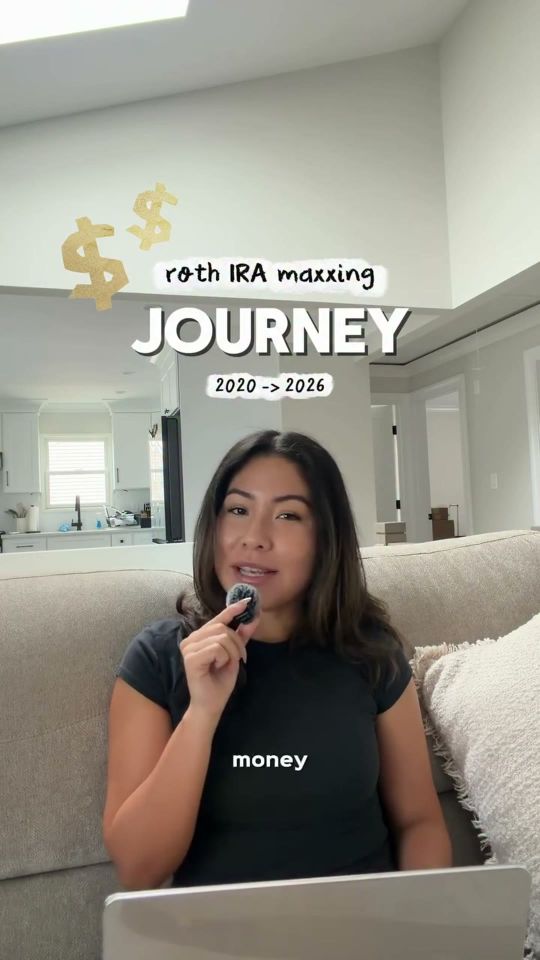
63.5× the creator's usual viewsBreakout
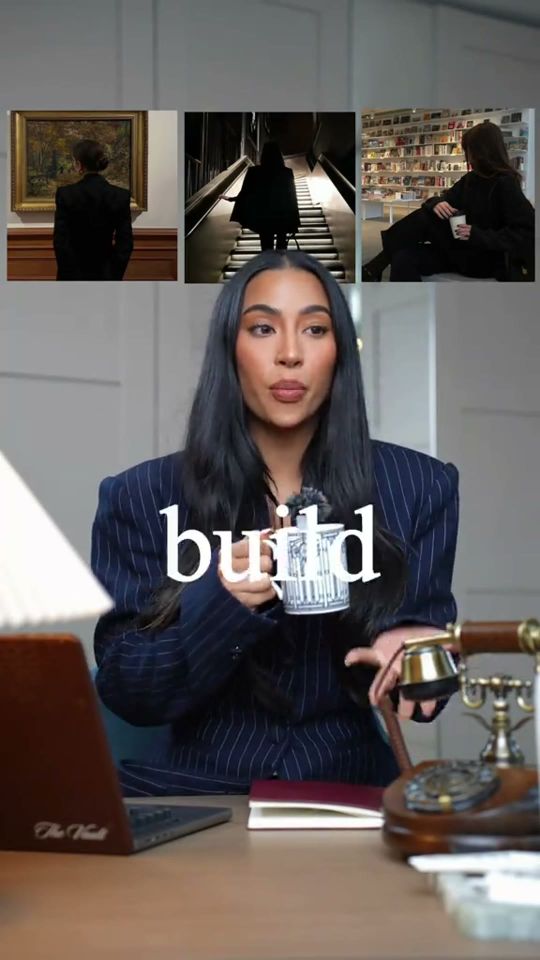
12.9× the creator's usual viewsBreakout
One word at a time, ALL CAPS
No clear effectEach spoken word on its own, in capitals.
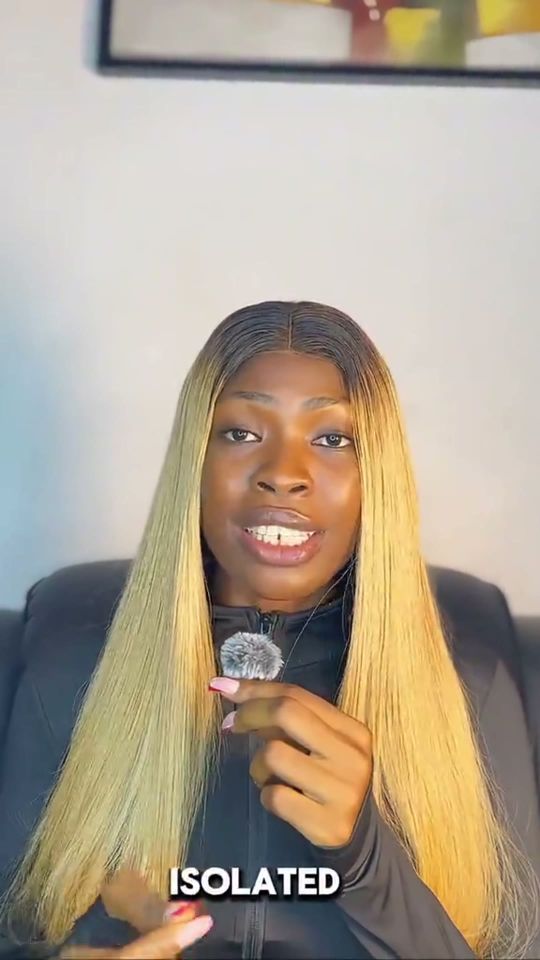
93.4× the creator's usual viewsBreakout
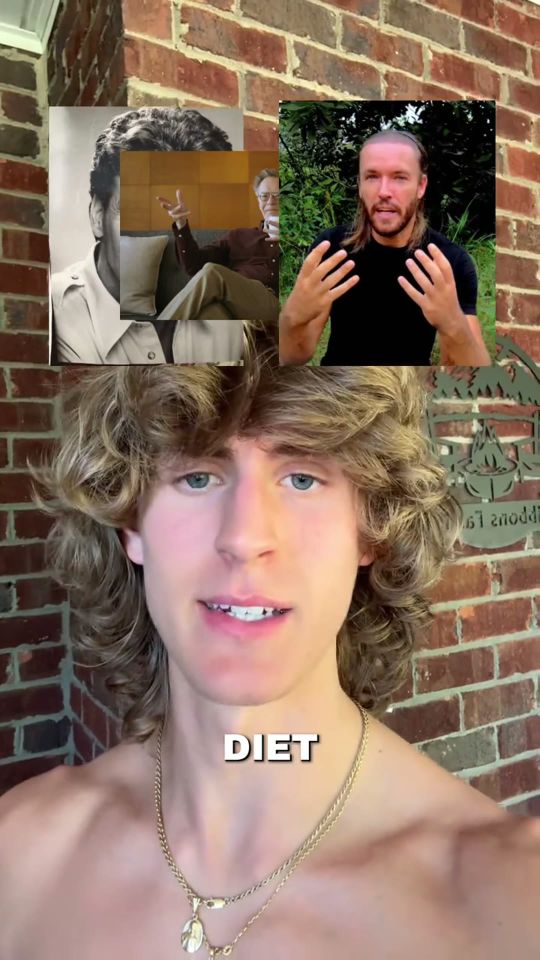
22.5× the creator's usual viewsBreakout
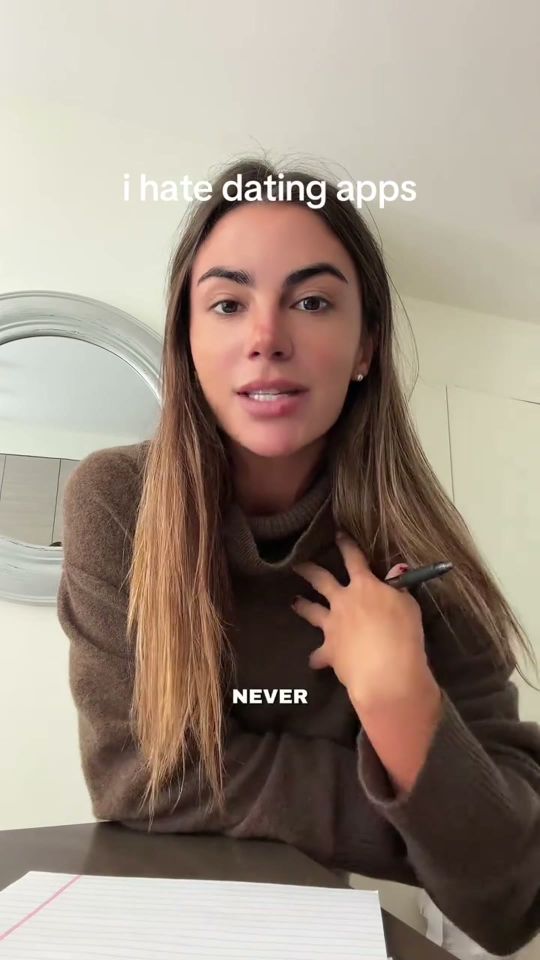
11.6× the creator's usual viewsBreakout
Karaoke colour highlight, ALL CAPS
No clear effectTwo or three words in capitals; the word being spoken turns a colour (yellow, green, pink).

379.8× the creator's usual viewsBreakout
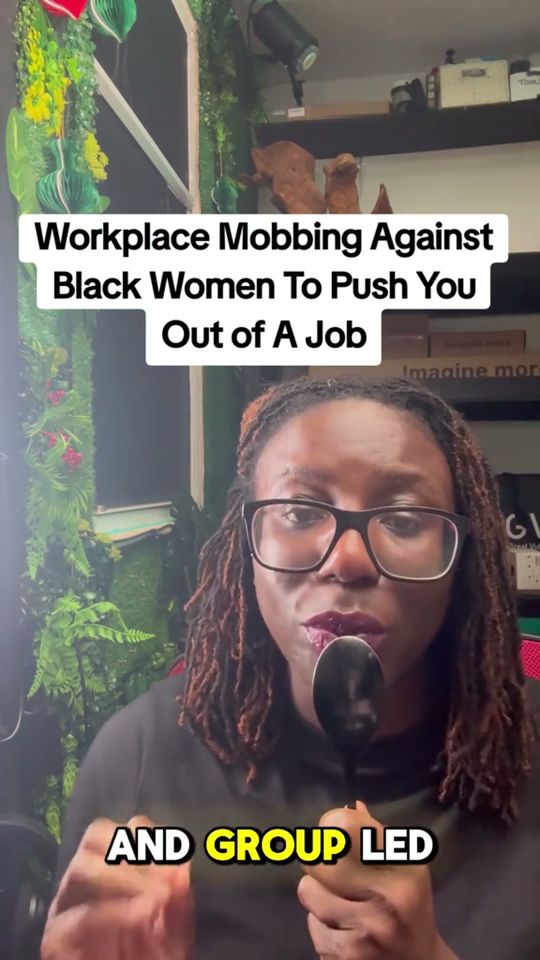
47.4× the creator's usual viewsBreakout
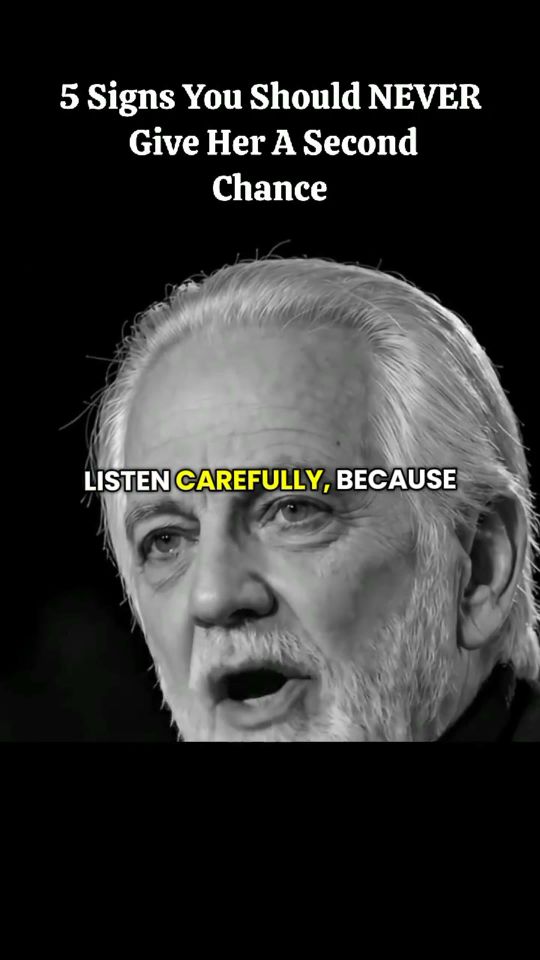
67.2× the creator's usual viewsBreakout
Karaoke box highlight, ALL CAPS
No clear effectTwo or three words in capitals; a coloured box sits behind the word being spoken.
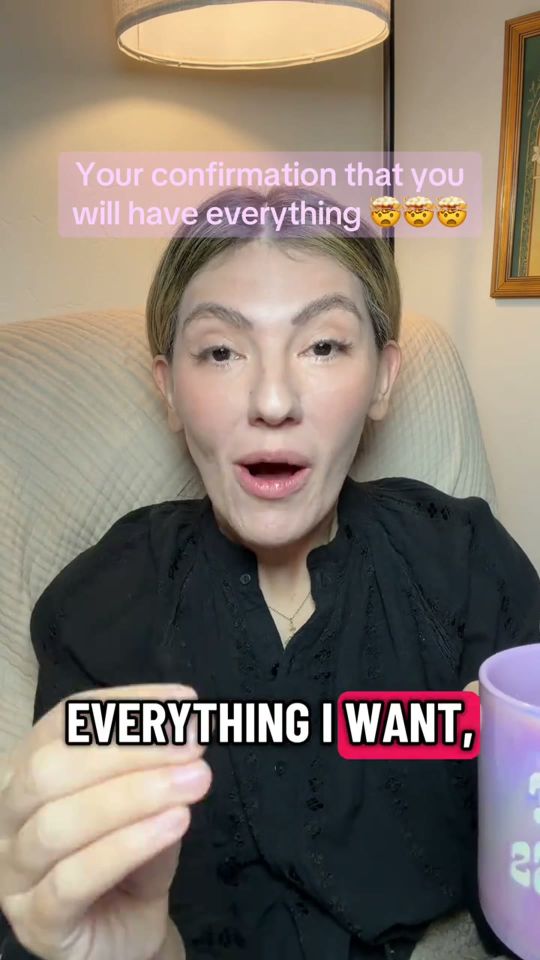
157.9× the creator's usual viewsBreakout
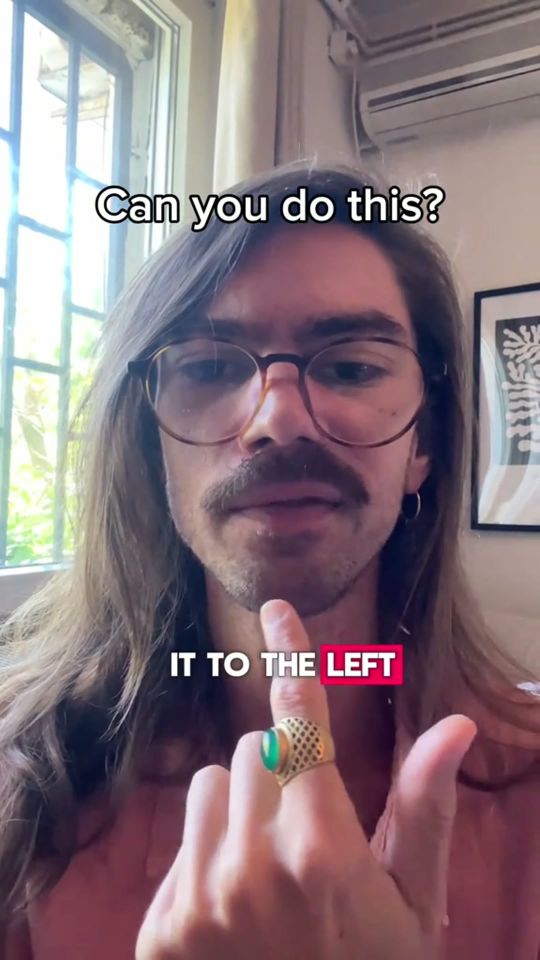
153.9× the creator's usual viewsBreakout
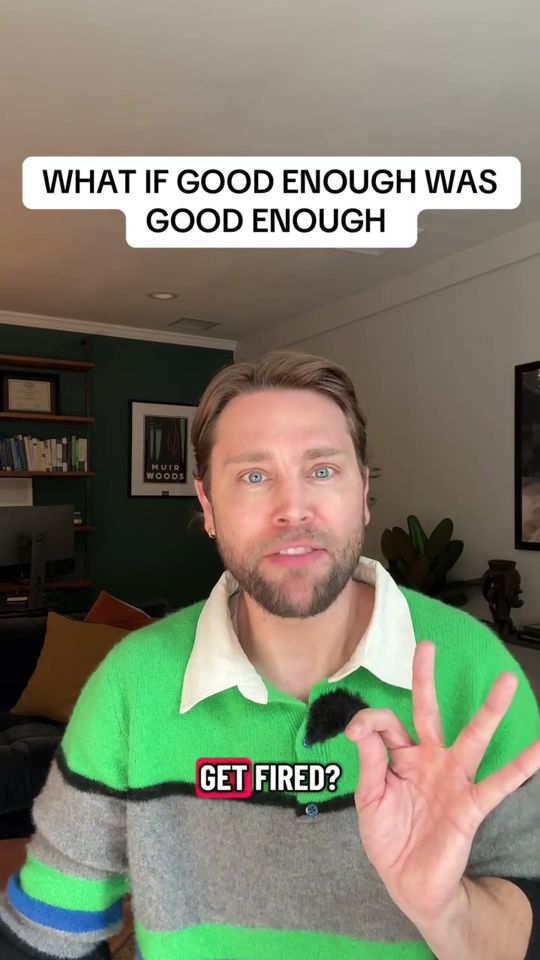
51.9× the creator's usual viewsBreakout
No text on screen
No clear effectNothing written in the video at all (viewers may still turn on the app's own captions).
Typed-on captions
Leans fewer breakoutsWords are added one by one as they are spoken, so the line builds up like typing.
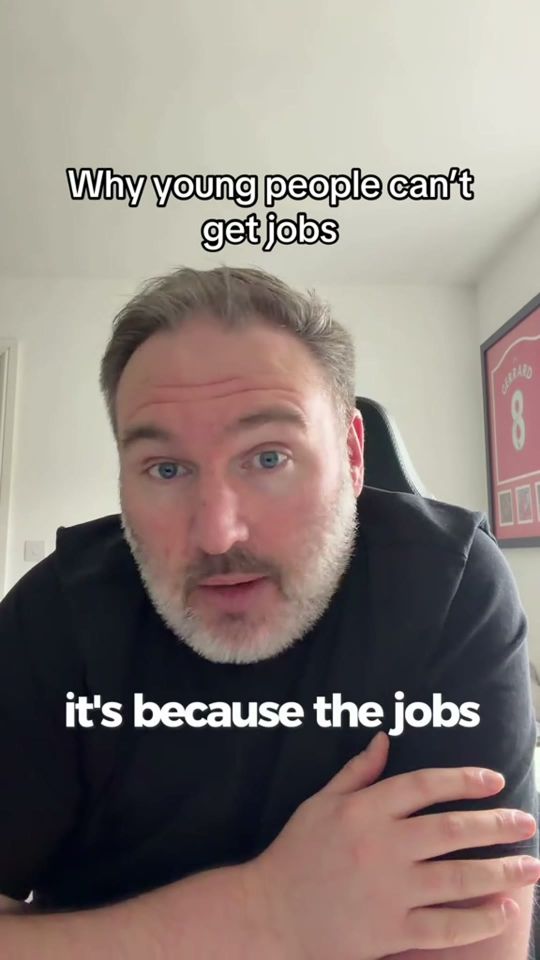
140.2× the creator's usual viewsBreakout
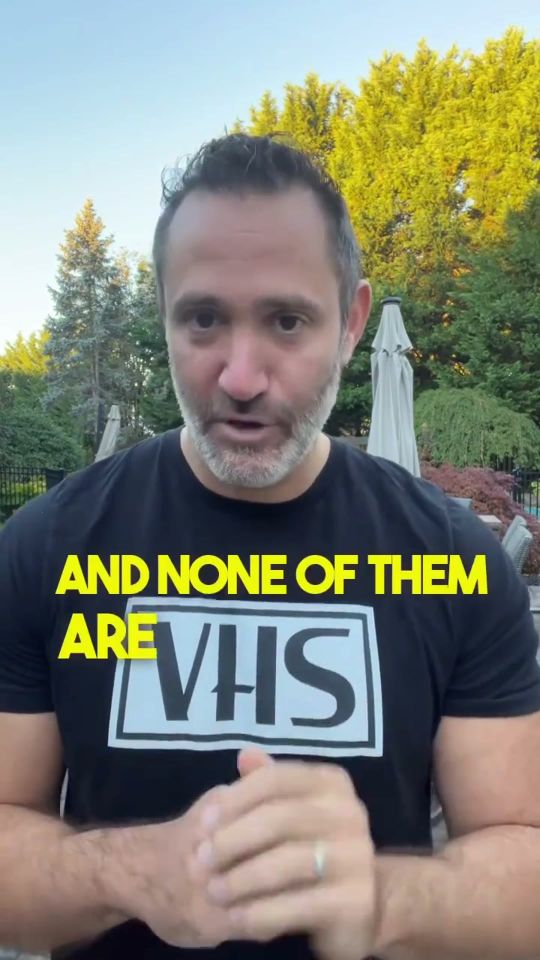
1,410.3× the creator's usual viewsBreakout
Only key words coloured
Leans fewer breakoutsMost words plain; a few chosen words get a colour or size, not every word in turn.
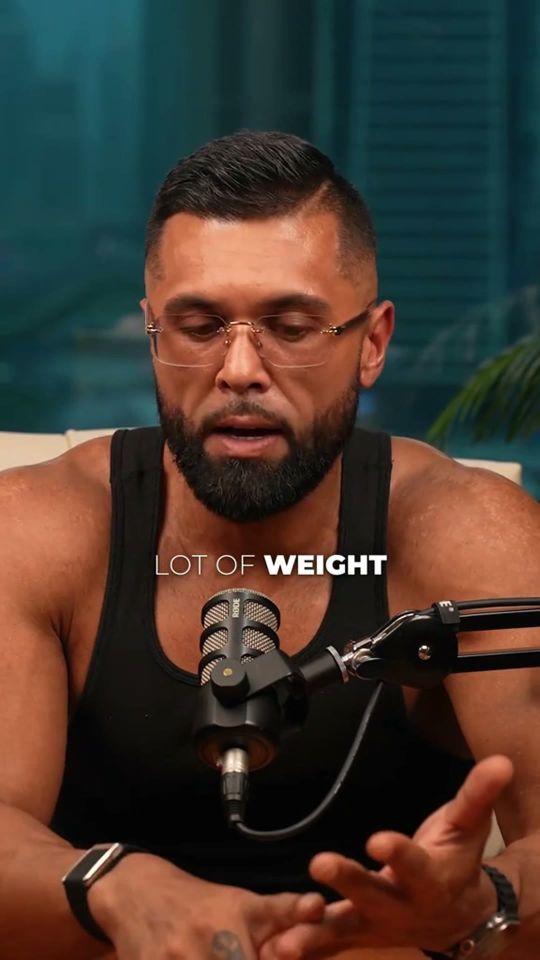
11.5× the creator's usual viewsBreakout
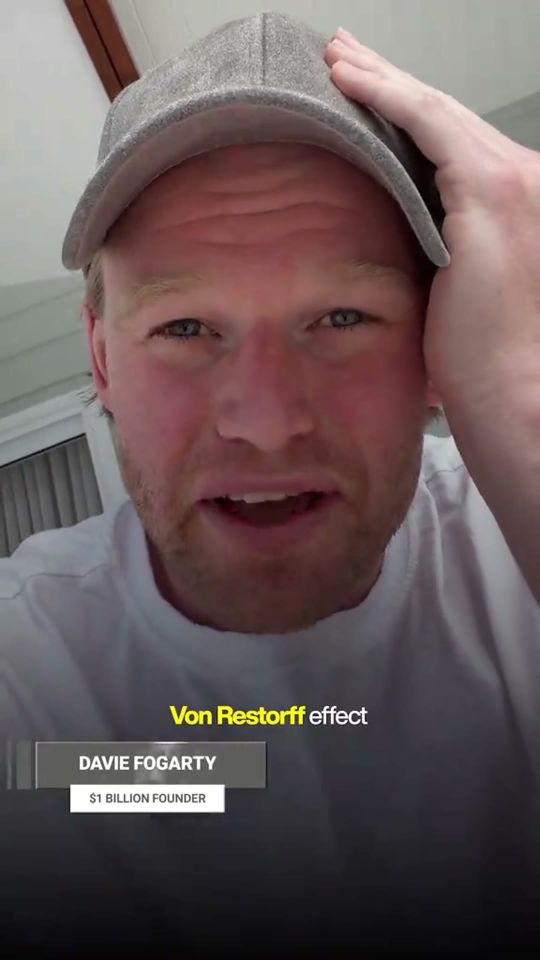
34.2× the creator's usual viewsBreakout
Tall bold font with pink highlight
Leans more breakoutsA tall, narrow font (like Anton or Bebas) with a pink box or colour on the spoken word: the CapCut pink-box look.
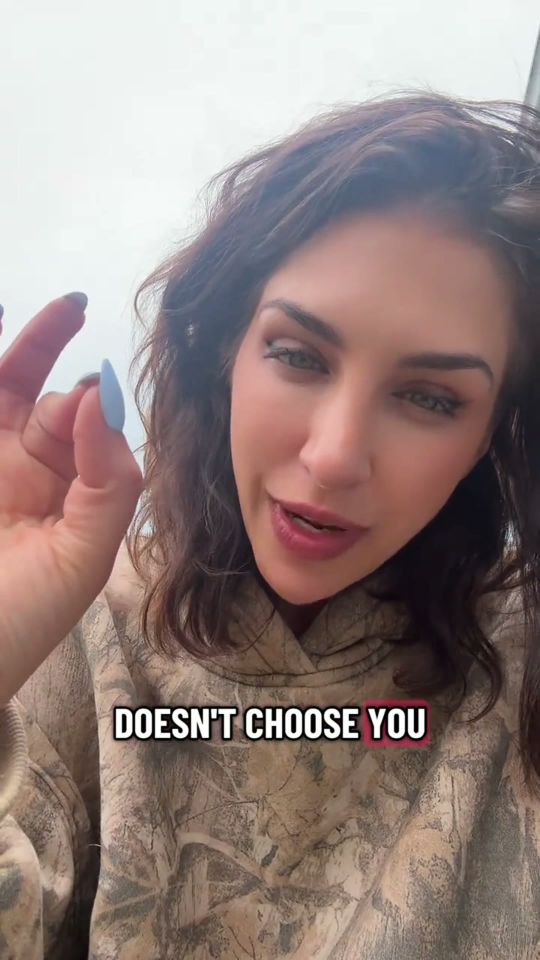
21.2× the creator's usual viewsBreakout
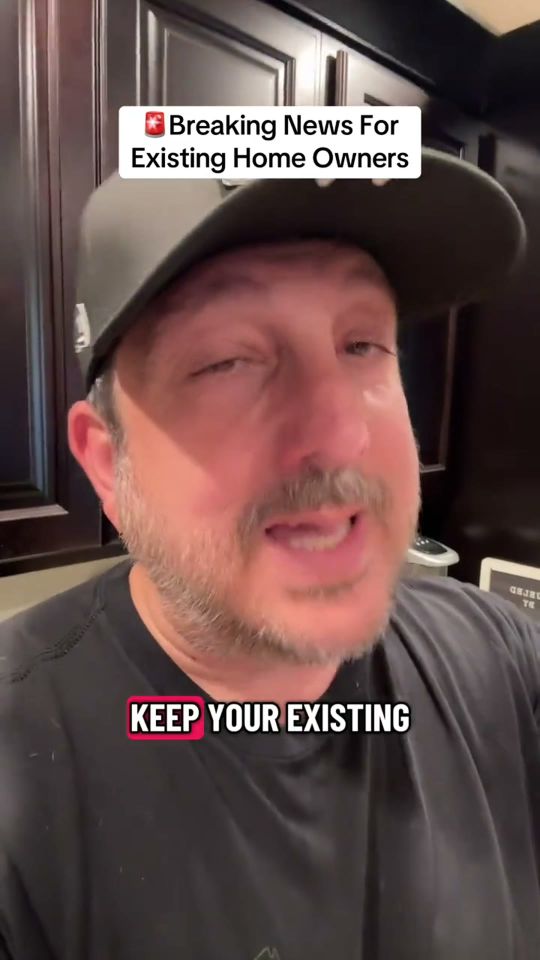
42.8× the creator's usual viewsBreakout
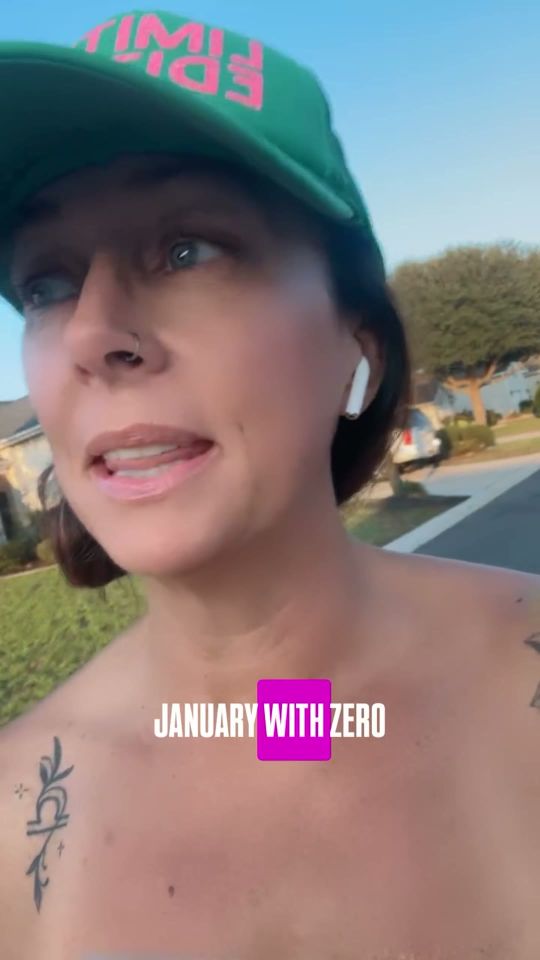
79.1× the creator's usual viewsBreakout
Blue highlight
Leans fewer breakoutsThe spoken or key word is marked in blue.
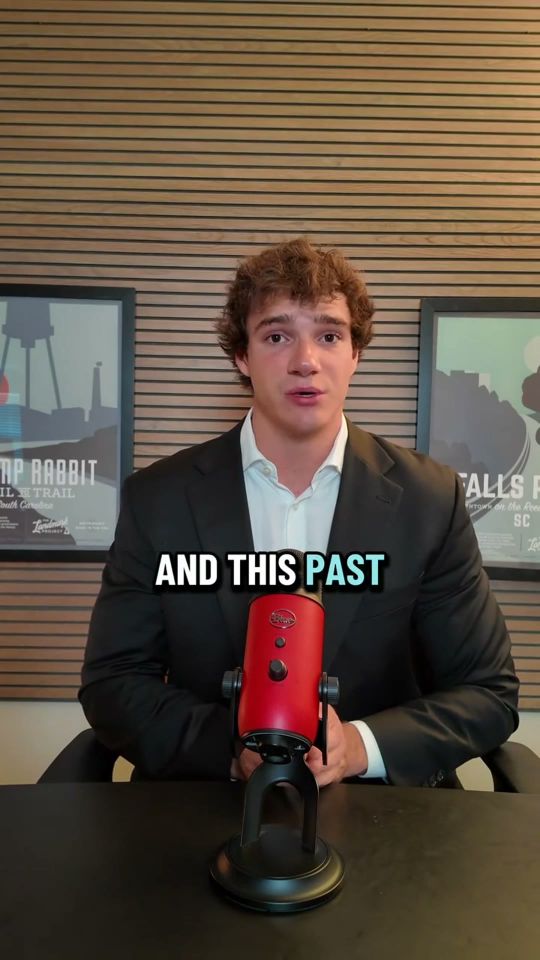
10.8× the creator's usual viewsBreakout
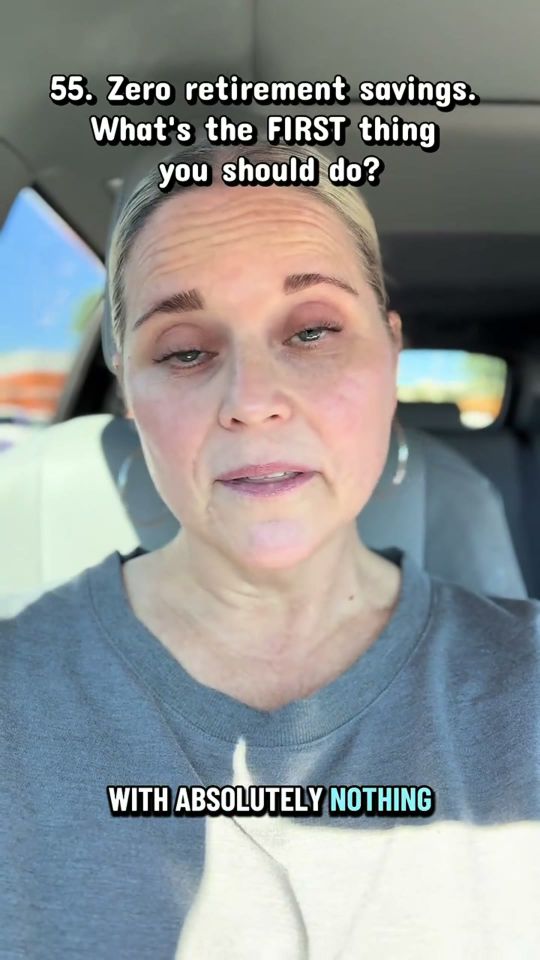
441.9× the creator's usual viewsBreakout
Serif captions
No clear effectWhite captions in a serif typeface, often editorial or italic.
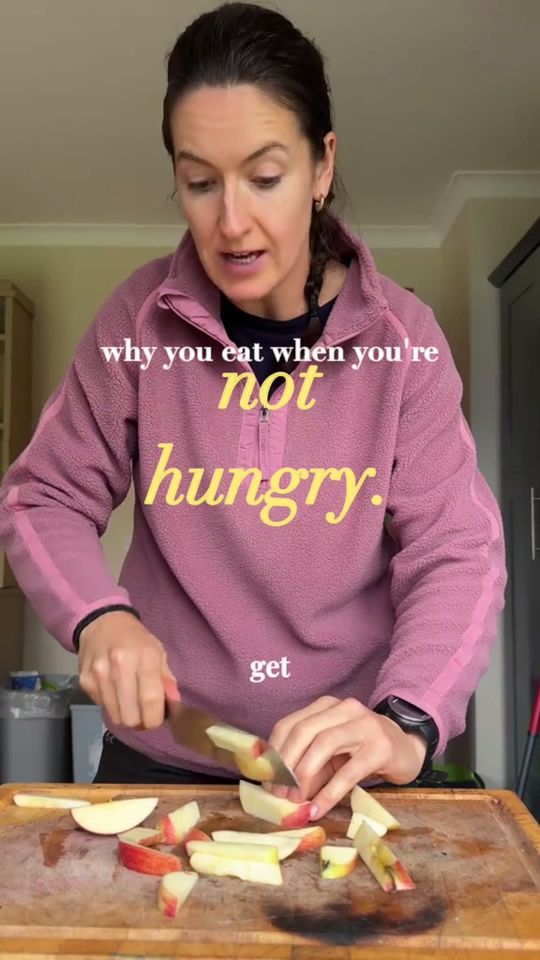
132.5× the creator's usual viewsBreakout
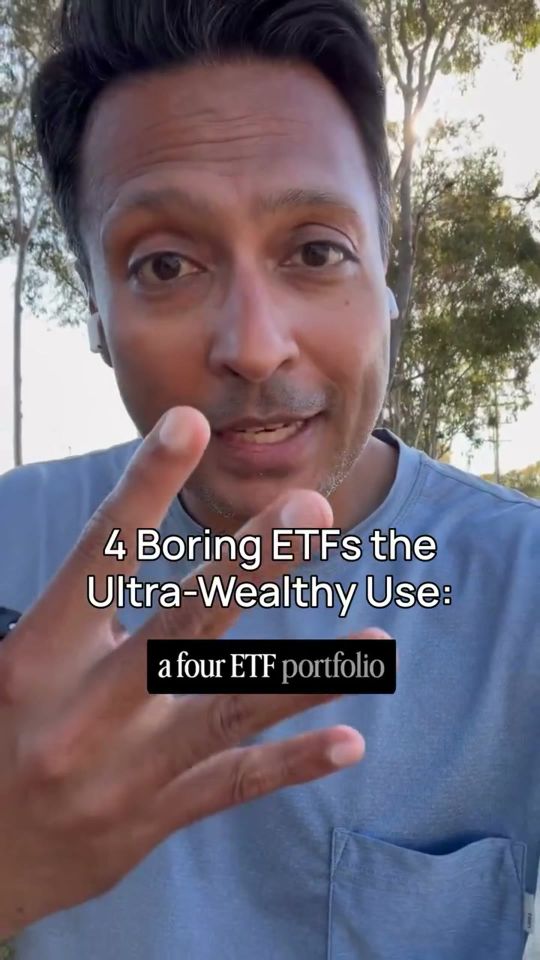
113.1× the creator's usual viewsBreakout
Examples are frames from public posts, shown for research and commentary and linked to the original. Creators can ask us to remove theirs at yapanddone.com/contact.
What's rising and what's fading
Change in the share of creators using each look, compared with the same niches 6–12 months earlier.
How creators caption, choice by choice
Share of creators making each choice, split by platform, with the breakout odds for that choice. Caption choices are measured among creators who use captions.
Text on screen
| Choice | All | TikTok | Breakout odds | |
|---|---|---|---|---|
| Captions and a headline | 53% | 51% | 62% | 0.99 |
| Headline only | 23% | 25% | 13% | 1.11 |
| Captions only | 16% | 15% | 20% | 0.95 |
| No text | 8% | 8% | 5% | 0.81 |
974 creators · differs by niche · differs by platform
Words on screen at once
| Choice | All | TikTok | Breakout odds | |
|---|---|---|---|---|
| 2–3 words | 49% | 48% | 50% | 1.00 |
| A full line | 31% | 32% | 29% | 0.94 |
| One word | 20% | 21% | 21% | 1.09 |
734 creators · differs by niche
How the spoken word is marked
| Choice | All | TikTok | Breakout odds | |
|---|---|---|---|---|
| Not marked | 79% | 78% | 83% | 1.02 |
| Changes colour | 13% | 13% | 11% | 0.92 |
| Box behind it | 8% | 8% | 6% | 1.10 |
| Colour and bigger | 1% | 1% | 0% | – |
734 creators
How captions appear
| Choice | All | TikTok | Breakout odds | |
|---|---|---|---|---|
| Appear whole | 89% | 89% | 92% | 1.35 |
| Typed on word by word | 10% | 11% | 8% | 0.73 |
| Pop in | 1% | 1% | 0% | – |
733 creators
Letter case
| Choice | All | TikTok | Breakout odds | |
|---|---|---|---|---|
| Sentence case | 38% | 36% | 44% | 0.99 |
| ALL CAPS | 36% | 37% | 28% | 1.05 |
| all lower case | 27% | 27% | 28% | 0.96 |
734 creators · differs by niche
Font family
| Choice | All | TikTok | Breakout odds | |
|---|---|---|---|---|
| Clean sans (Inter, Helvetica, TikTok) | 45% | 44% | 50% | 1.00 |
| Heavy or tall sans (Montserrat, Anton) | 43% | 45% | 35% | 1.02 |
| Decorative (serif, rounded, script) | 12% | 11% | 15% | 0.96 |
734 creators · differs by niche
Highlight colour
| Choice | All | TikTok | Breakout odds | |
|---|---|---|---|---|
| No highlight | 70% | 70% | 74% | 1.13 |
| Yellow | 9% | 8% | 10% | 0.94 |
| Pink | 6% | 6% | 7% | 1.23 |
| Red | 5% | 5% | 3% | 0.78 |
| Blue | 4% | 5% | 2% | 0.73 |
| Green | 3% | 3% | 2% | 0.68 |
| Other | 1% | 1% | 2% | – |
| Purple | 1% | 1% | 0% | – |
| Orange | 1% | 1% | 0% | – |
734 creators
Caption position
| Choice | All | TikTok | Breakout odds | |
|---|---|---|---|---|
| lower middle | 75% | 76% | 78% | 0.98 |
| Centre | 9% | 8% | 6% | 1.05 |
| bottom | 7% | 7% | 7% | 0.92 |
| upper middle | 7% | 6% | 7% | 1.08 |
| top | 2% | 2% | 2% | 1.10 |
734 creators
Box behind the caption
| Choice | All | TikTok | Breakout odds | |
|---|---|---|---|---|
| No box | 92% | 93% | 91% | 1.04 |
| Box behind each line | 7% | 6% | 9% | 1.02 |
| Box behind each word | 1% | 2% | 0% | – |
734 creators · differs by niche
Headline style
| Choice | All | TikTok | Breakout odds | |
|---|---|---|---|---|
| Plain or outlined text | 52% | 52% | 57% | 0.96 |
| In a box (like TikTok's text sticker) | 48% | 49% | 43% | 1.04 |
844 creators · differs by niche
Looks made with
| Choice | All | TikTok | Breakout odds | |
|---|---|---|---|---|
| CapCut auto-captions | 73% | 74% | 73% | 1.01 |
| Custom design | 19% | 17% | 21% | 0.96 |
| TikTok in-app text | 8% | 8% | 6% | 1.00 |
| Submagic / "Hormozi" style | 1% | 1% | 0% | – |
734 creators · differs by niche
Niches use different looks, and fitting in matters
Which caption setups are most common differs a lot between niches. No style did better in one niche than in another, but using a setup that's out of place in your niche cost views.
| Niche | Creators | Headline on screen | Headline, no captions | Most common setups |
|---|---|---|---|---|
| Skincare and beauty | 140 | 77% | 39% | No text on screen 10% · One word at a time 6% · 2–3 words, no highlight 10% |
| Fitness and nutrition | 110 | 68% | 29% | No text on screen 12% · One word at a time 6% · 2–3 words, no highlight 7% |
| Career advice | 81 | 85% | 27% | No text on screen 3% · One word at a time 4% · 2–3 words, no highlight 10% |
| Dating and relationships | 111 | 78% | 25% | No text on screen 2% · One word at a time 9% · 2–3 words, no highlight 9% |
| Manifestation and spirituality | 113 | 82% | 25% | No text on screen 7% · One word at a time 7% · 2–3 words, no highlight 13% |
| Personal finance | 135 | 81% | 23% | No text on screen 6% · One word at a time 15% · 2–3 words, no highlight 13% |
| Real estate | 54 | 70% | 21% | No text on screen 18% · One word at a time 3% · 2–3 words, no highlight 6% |
| Nervous system regulation | 111 | 81% | 18% | No text on screen 4% · One word at a time 11% · 2–3 words, no highlight 7% |
| Business and marketing | 81 | 73% | 15% | No text on screen 6% · One word at a time 8% · 2–3 words, no highlight 17% |
| Video editing with AI | 38 | 65% | 11% | No text on screen 15% · One word at a time 1% · 2–3 words, no highlight 7% |
Using a caption setup that's rare in your niche
-13%views, compared with the same creator's own videos that used a setup common in their niche (range -21% to -5%, 444 creators who did both).
A post's caption setup (headline, words on screen, word highlight) is "rare in its niche" when fewer than 5% of the other creators in that niche use it, and "common" when 15% or more do. The creator's own posts are left out of the count.
It isn't a fluke
- The creator's previous post shows no such dip, so it isn't timing.
- Without typed-on captions: -12% views.
- TikTok only: -13% views.
- Leaving out any one niche: -10% to -15%.
- Likes, comments, shares and saves per view didn't change; it's about reach.
The out-of-place setups were mostly ordinary styles, like one word in ALL CAPS, that just aren't used in that niche. The lesson isn't that some looks are bad: start from what's common in your niche (the table above), then make it yours.
Small accounts feel it most
The main results again, within each follower band. Words on screen helped saves at every size; going without text, and looking out of place in the niche, cost small accounts the most.
| Same creator, with vs without | Under 10k followers 208 creators | 10k–100k 448 creators | 100k–1M 306 creators | 1M+ 64 creators |
|---|---|---|---|---|
| Captions + headline → saves | +15% +2 to +30 | +12% +5 to +20 | +10% +0 to +20 | +14% -1 to +30 |
| No text on screen → saves Differs by size (p = 0.02) |
-27% -39 to -13 | -10% -20 to +0 | +4% -12 to +23 | – |
| Setup rare in the niche → views | -25% -40 to -7 | -10% -21 to +2 | -8% -23 to +11 | – |
| Typed-on captions → views | -9% -34 to +26 | -13% -30 to +8 | -33% -53 to -5 | – |
Green or red = the 95% range excludes zero. "–" = fewer than 30 creators in that band used both options.
Most captions look like CapCut, and the tool doesn't matter
Captions look made with
- 93% use white text; 48% add an outline and 45% a shadow; 3% add emojis.
- Captions take one line 67% of the time and two lines 26%.
- Half the headlines (50%) disappear after the hook; the rest stay all video.
- None of these (tool, shadow, outline, lines, size, colour, how long the headline stays) changed results when creators are compared with themselves.
Does keeping one look pay off?
34% of creators use the same caption setup on at least 4 in 5 videos, 42% mostly do, and 24% mix it up.
Creators who keep one look get more views per follower, but their views aren't growing faster than their own past views. That points to the kind of creator, not the consistency. We saved everyone's follower count and will measure follower growth at the next edition.
Same captions, different headlines
Instagram creators more often pair captions with a headline (62% vs 52% on TikTok) and less often use a headline alone (13% vs 25%). Caption details (words on screen, highlight, font, case) did not differ significantly between the platforms. The Instagram sample is smaller (161 creators, about 120 breakouts), so its numbers are less certain.
| Text on screen | TikTok | |
|---|---|---|
| Captions and a headline | 51% | 62% |
| Headline only | 25% | 13% |
| Captions only | 15% | 20% |
| No text | 8% | 5% |
Claims we'll re-test next quarter
On November 7, 2026 we wrote these results down before collecting the next data. Next quarter we test each one on new videos only and publish every outcome, including the ones that don't hold up. Each claim is re-tested on posts collected at the next quarterly refresh, leaving out every post used here, with the same code. Same creator, same controls (type of video, hook, production, setting, post age, length). A claim replicates when the new estimate points the expected way with p < 0.05. Every claim is reported, whether it replicates or not.
| Claim | Now (same creator) | Re-test |
|---|---|---|
| Text on screen from the first frame gets more views | +14% +5 to +25 | Pending |
| Captions plus a headline on screen get more saves per view | +12% +7 to +18 | Pending |
| Captions typed on word by word get fewer views | -18% -30 to -4 | Pending |
| A caption setup that is rare in the creator's niche gets fewer views | -13% -21 to -5 | Pending |
All registered claims, for both studies: preregistered.json (SHA-256 b70ff7763879a253…).
How talking-head creators caption, tracked every quarter
The share of creators doing each thing this quarter, all ten niches weighted equally, and the change compared with posts from the same niches 6–12 months earlier. Next edition: Q1 2027. Every edition is in index.csv.
| Measure | Share of creators | Change (points) |
|---|---|---|
| Hook headline on screen | 76% | +7.4 |
| Headline only, no captions | 23% | +0.7 |
| No text on screen | 8% | -2.8 |
| One word at a time (of captioned) | 20% | +6.9 |
| ALL CAPS captions | 36% | +0.4 |
| Spoken word highlighted (karaoke) | 22% | -2.4 |
| Typed-on captions | 10% | -7.5 |
| Heavy or tall fonts | 43% | -2.3 |
| CapCut auto-caption look | 73% | -1.8 |
| Text on screen from the first frame | 83% | new |
Green or red = moved 2 points or more. "New" = first measured this edition.
What to do with this
- Put words on screen: a hook headline plus captions is the one choice that measurably raised saves.
- Have text on screen from the very first frame.
- Let captions appear whole. Skip the typing-on effect.
- Start from a caption setup that's common in your niche (see "By niche" below); one that looks out of place there cost views.
- Within that, pick the font, colours and highlight you like. They made no measurable difference, so brand and readability can decide.
- Spend the time you save on the words: what the headline promises and how you open moved results far more (see the hooks study).
- One-word captions are the fastest-rising look if you want to feel current; just don't expect them to change your numbers.
How we did it
- Creators: in each niche we found English-language creators through keyword and creator search, then had a language model screen every account for being genuinely in the niche (score 60 of 100 or more) with at least 2,500 followers. Instagram creators were found through search and by checking the same handles TikTok creators use.
- Videos: we collected each creator's latest posts and kept videos 8–180 seconds long, posted 7–60 days before collection (7 days so views had settled; 90 days on Instagram, where creators post less). Paid or boosted posts were excluded.
- Breakouts: a breakout is a post with at least 3x the views of the creator's typical post, measured against the median of their roughly 20 nearest posts in time. The comparison group is a random sample of the same creators' posts, not filtered on performance. At most three posts per creator in each group.
- Talking head: Apple Vision face detection kept videos where a face fills the frame in at least half the sampled frames; the labelling model then confirmed a person speaking to camera carries the video (including split-screen and picture-in-picture).
- Labelling: from each video we took the first 8 seconds at 6 frames per second plus one frame at 60% of its length, picked the 2-second stretch with the most caption activity, and showed Gemini 3.8 Flash three images: four moments across the video, a 12-frame burst stamped with times, and one full-resolution frame. It answered a fixed codebook of 24 questions.
- Quality checks: 48 videos were labelled independently by separate raters (agreement shown below); 211 were labelled twice to check consistency; every label was cross-checked against on-device text recognition. Fields with less than 85% agreement are reported in coarser groups.
- Cause or coincidence: 11,525 random posts from 1,026 creators (about 11 each) were also labelled for what the video is: its type (teaching, list, story, opinion…), hook, production, setting, b-roll and framing. Each result was checked three ways: between creators with all of that held fixed; within each creator, comparing their posts with a style against their own posts without it; and on the creator's previous post, which a caption cannot affect (a pattern there means timing or circumstance, not the caption). We also report how strong a hidden factor would need to be to explain a result away (the E-value).
- Timing, placement and pace: from the on-device text recognition of the first 8 seconds (6 frames a second). Text that stays on screen 1.5 seconds either side is the headline; the rest is captions. App UI zones: the bottom 20% and the right-hand button column (x > 85%, 40–80% down) on TikTok and Instagram, and the top 9% for the tabs. Talking pace counts each caption word once, when it first appears, and is compared within each caption size.
- Consistency: each creator's share of random posts using their most common caption setup, compared between creators with niche, platform, follower count and posts sampled held fixed. Follower counts at collection are stored so follower growth can be measured at the next edition.
- Statistics: "used by" is the share of creators using a style in the random sample, each creator counted once and each niche weighted equally. Breakout odds come from a logistic regression of breakout vs comparison posts with controls for niche, platform, follower count, post age and video length, and standard errors clustered by creator. With about a hundred styles tested, we apply a Benjamini–Hochberg false discovery correction (10%): "proven" requires passing it; "suggestive" clears the 95% interval but not the correction. Trends compare the same niches against posts from 6–12 months earlier.
How reliable the labels are
| Field | Agreement with independent raters | Same answer when asked twice |
|---|---|---|
| Captions present or not | 98% | 100% |
| How the spoken word is marked | 94% | 97% |
| How captions appear | 92% | 100% |
| Highlight colour | 90% | 96% |
| Letter case | 85% | 99% |
| Words on screen | 75% | 96% |
| Font family | 60% | 95% |
| Headline present | 94% | 99% |
Limitations
- This is observational data, not an experiment. Comparing creators with themselves and holding the type of video fixed removes most of the obvious explanations, but a factor we did not measure could still play a part.
- Only text burned into the video is measured. TikTok and Instagram can also show their own captions, which do not appear in the video file.
- Labels come from still frames, so fast animation details can be missed; font identification is the least reliable field (77% agreement in three groups).
- Talking pace is read from the captions, so it covers captioned videos only and is noisy; consistency is compared between creators, not within them, so it is a correlation.
- Instagram coverage is thinner than TikTok, and creators were found through search, so very small accounts are under-represented.
- Results describe English-language talking-head videos in these 10 niches in late 2026; styles change, and we plan to refresh the study.
Questions people ask
What is the best caption style for TikTok?
The look barely matters. Font, case, colours and word highlighting made no measurable difference to views, engagement or breakouts. What did matter: having words on screen (captions plus a headline: +12% saves for the same creator) and letting captions appear whole rather than typing them on (typed-on: -18% views).
Do word-by-word highlighted (karaoke) captions get more views?
No. Comparing creators with themselves, colouring or boxing the spoken word made no measurable difference to views, likes, comments, shares or saves. About 21% of creators who caption use it.
Are one-word captions better?
They are the fastest-rising look (up 6.9 points in a year, now 20% of captioning creators), but no better: within the same creator they changed saves by +4% (-3% to +11%), within the range of no effect.
Do I need captions at all?
Put some words on screen. Videos with captions plus a headline got +12% saves compared with the same creator's other videos; videos with no text got -12%. A headline alone is the most common setup (23% of creators) and did fine on views.
How do you know it's the captions and not the content?
We labelled what every video is (teaching, list, story, opinion and so on, plus hook and production), compared each creator only with their own posts, and checked that the same pattern doesn't show up on the creator's previous post. Results that failed any of these are reported as not caused by the caption.
Does the best caption style depend on my niche?
Yes, in one way. No style performs better in one niche than another, but each niche has its usual setups, and a setup that fewer than 5% of creators in your niche use went with 13% fewer views for the same creator. Use a setup that's common in your niche; the font and colours are up to you.
When should text appear on screen?
From the very first frame. That went with +14% views for the same creator; text that arrived within the first second, but not at once, went with -12%.
Do the results apply to small accounts?
Yes, and more strongly. Words on screen raised saves at every account size. Videos with no text lost the most for accounts under 10,000 followers, and a setup that looks out of place in the niche cost small accounts the most views.
Which caption app do creators use?
By the look of it, 73% of captioning creators use CapCut's auto-captions, 19% a custom design and 8% TikTok's in-app text. The tool made no difference to results.
Should I keep one caption style?
Creators who kept one look got +46% views per follower, but their views weren't growing faster than their own past views, so it looks like the kind of creator rather than the consistency itself. We are measuring follower growth next.
Is TikTok different from Instagram?
Instagram creators pair captions with a headline more often (62% vs 52%); the caption details themselves did not differ significantly.
How was this measured?
Frames from 17,597 recent videos were screened; 13,046 talking-head videos from 1,132 creators were labelled by Gemini 3.8 Flash against a fixed codebook, checked against independent raters and on-device text recognition, and compared between breakout and ordinary posts and within each creator's own videos.
Use it, cite it
The aggregated results are free to reuse under CC BY 4.0. Journalists, researchers and AI agents can pull the full numbers below; the plain-text summary contains the whole study.
Cite as
Press questions or a custom cut of the data (a niche, a platform, a time window): contact us. We refresh this study as styles change; this page always shows the latest snapshot.